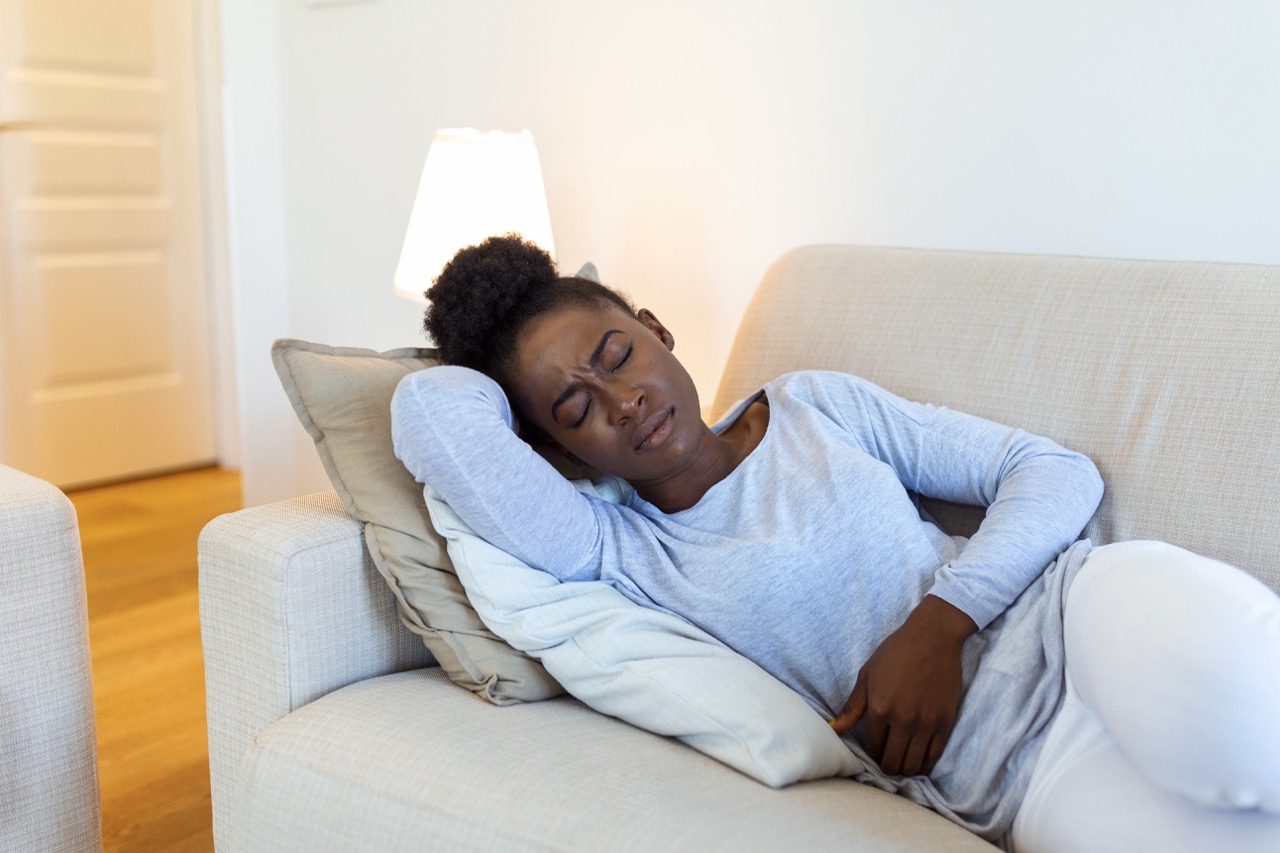
Stress is a normal part of life, but when it becomes chronic or overwhelming, it can affect nearly every system in the body—including reproductive health. Many women notice changes in their menstrual cycle during stressful periods caused by work demands, financial pressure, relationship challenges, or health concerns. Understanding how stress affects the body can help women recognize when symptoms are temporary and when medical attention may be needed.
The body responds to stress by producing hormones such as cortisol and adrenaline. According to the Cleveland Clinic article on stress and missed periods, elevated stress levels can interfere with ovulation and disrupt the hormonal balance responsible for regulating menstrual cycles. This may cause delayed periods, lighter bleeding, heavier bleeding, or even missed cycles altogether.
The American College of Obstetricians and Gynecologists menstrual cycle guide explains that the menstrual cycle is controlled by communication between the brain, ovaries, and hormones such as estrogen and progesterone. When stress disrupts this communication, cycle irregularities may occur.
Many women experience physical symptoms when stress begins affecting reproductive health. Common symptoms include:
- Irregular periods
- Missed menstrual cycles
- Increased cramping
- Fatigue
- Mood swings
- Spotting between periods
- Changes in menstrual flow
Women experiencing persistent irregular periods should consider seeking professional medical evaluation to rule out other possible conditions such as thyroid disorders, endometriosis, or polycystic ovary syndrome (PCOS).
Chronic stress may also worsen premenstrual symptoms. Prolonged stress can impact sleep, digestion, hormone production, and immune system function. These physical changes may contribute to more severe PMS symptoms, headaches, fatigue, and increased menstrual discomfort.
Stress can affect women differently depending on lifestyle, genetics, and overall health. Some women may experience only mild cycle changes, while others may stop menstruating completely during periods of severe emotional or physical stress. In some cases, this condition is referred to as hypothalamic amenorrhea, which occurs when stress interferes with hormone signaling between the brain and ovaries.
Fortunately, there are practical ways to reduce stress and support hormonal balance. One of the most effective strategies is improving sleep quality. Poor sleep increases cortisol production and can worsen hormone imbalance. Adults should aim for seven to nine hours of sleep each night to support overall reproductive health.
Regular physical activity may also help regulate stress hormones. Activities such as walking, yoga, stretching, and swimming can improve mood and circulation while supporting women’s reproductive health. Exercise may also reduce cramping and improve energy levels during menstruation.
Healthy nutrition plays an important role as well. A balanced diet rich in vegetables, fruits, lean protein, and whole grains supports hormone production and helps stabilize energy levels. Limiting excessive caffeine, processed foods, and sugar may also help reduce stress-related symptoms.
Relaxation techniques such as meditation, journaling, and deep breathing exercises may further improve emotional well-being. Even a few minutes of daily mindfulness can help lower cortisol levels and support a healthier menstrual cycle.
Although stress-related menstrual changes are common, ongoing symptoms should never be ignored. Women should seek medical care if they experience extremely heavy bleeding, severe pelvic pain, missed periods lasting several months, or symptoms that interfere with daily activities. Scheduling an appointment with Carlos & Parnell, M.D., P.A. can help identify the underlying cause of menstrual irregularities and provide personalized treatment options.
The Cleveland Clinic guide on abnormal menstruation notes that while stress is a common factor behind irregular cycles, medical evaluation is important when symptoms become persistent or severe.
Understanding the connection between stress and menstrual health is an important step toward protecting long-term wellness. By recognizing symptoms early and adopting healthy stress-management habits, women can better support both their emotional and reproductive health while maintaining a more regular menstrual cycle.